
February
In this week’s collective worship, the children explored the theme of strength and what it really means. Reverend Mark began by discussing the different types of strength we can have. While many children mentioned physical strength—such as lifting heavy objects or running fast—we also talked about strengths that aren’t always visible, like being good at a subject, having creativity, or showing inner resilience during difficult times.
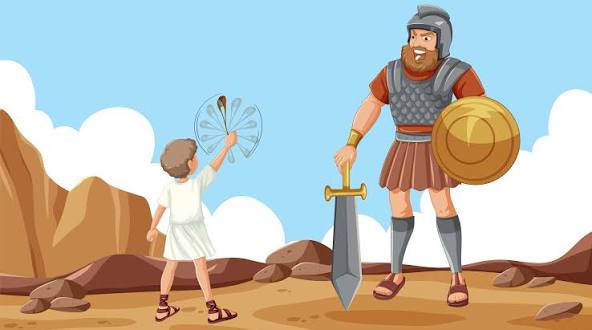
Reverend Mark then talked at the Old Testament story of David and Goliath. Before David became king, he was a young shepherd caring for his father’s sheep. It was during this time that he discovered some of his own unique abilities.
The children watched a short video retelling the story and then reflected on the strengths shown by each character.
They identified Goliath’s physical power, height, protective armour and confidence, as well as David’s talents, including his skill with a slingshot, his courage, determination, and faith in God.
To finish, we talked about the many other strengths each of us might have. These could include kindness, creativity, perseverance, problem‑solving, sport, music, friendships, bravery, or setting personal goals. The children were encouraged to think about their own strengths and to recognise that everyone has something special to offer.
Prayer
Dear God,
Thank you for the story of David and Goliath, and the lessons that we can learn from it.
Thank you for the skills that we already have.
Thank you for the work that we can do today, which will give us strength for tomorrow.
We pray that we will have the determination to keep practising new skills to make us stronger.
Amen.
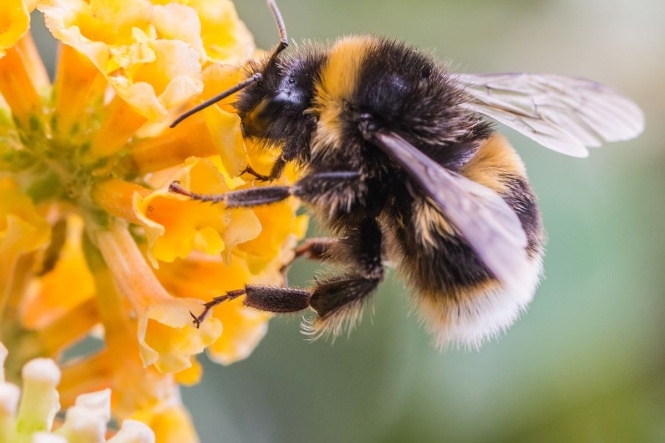
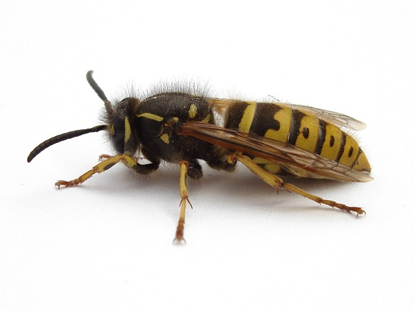
Reverend Mark explained to us the difference between Bees and Wasps
– bees tend to appear fuzzier with fuller bodies
– wasps tend to be thinner with thinner legs
– wasps tend to appear shinier
– bees are called pollinators; they only eat plant pollen and nectar
– wasps are called predators because they eat other insects
– bees are less aggressive than wasps
– some bees (honey bees) die soon after they have stung someone
– wasps live in papery nests made of chewed up wood and saliva
– bees live in hives made from wax
– when in flight, a bee’s legs are not visible, whereas wasps have two thin legs that are visible when they fly
He then told us the story of ‘The Boy and the Wasp’
One day, a little boy was sitting on a park bench. He was obviously in pain: his eyes were all screwed up and tears were pouring down his face. Under his breath, he was muttering, ‘Ouch! It hurts . . . ow . . .”
A woman who was walking past came to sit with him and asked gently, ‘What’s the matter?’
The little boy answered between gritted teeth, ‘I’m sitting on a wasp!’
The woman looked rather puzzled and asked, ‘Well, why don’t you get up?’
Clenching his teeth, the boy replied, ‘Because I figure if I stay here, I’m hurting the wasp more than the wasp is hurting me!’
He then explained that the little boy was putting up with the ongoing pain of the wasp’s sharp sting because he thought that somehow, he could pay the wasp back by sitting on it. How silly! He explained that unforgiveness is like that. When we hold a grudge or keep feeling angry towards someone who has done something to us, it can sometimes hurt us more than it hurts the person who did something wrong. In the story, the boy could have got off the bench and over time, the pain would have gone away. However, he continued to sit on the wasp, and the wasp continued to sting him.
Unforgiveness often hurts the person who will not forgive more than the person who did something wrong in the first place. Forgiving people is not always easy. Sometimes, we need help to put relationships right.
Dear God,
You understand all about unforgiveness and what it does to people.
You sent Jesus to show us that we needed forgiveness.
Thank you for forgiving us when we get things wrong.
Please help us to forgive others.
Amen.